Joint pain has silently turned out to be one of the most frequent health issues in India, particularly in individuals aged between 30 and 40. It can be stiffness in the knees after a hard day at work, back pains that keep recurring in desk jobs, or initial arthritis symptoms; the pain can make it difficult to enjoy life. Most people resort to painkillers or temporary solutions, yet these do not offer any solution to the problem.
This is the reason why there are increasing numbers of people posing this question: What is the Ayurvedic remedy for joint pains? Ayurveda is a comprehensive solution to various health issues, as it encompasses detoxification, nutrition, and treatment processes that not only prevent pain but also promote the long-term health of the joints. Aadisatya prescribes therapies individually, combining therapies such as Panchakarma, Janu Basti, and Abhyanga with the use of herbs and dietary suggestions.
Understanding Joint Pain in Ayurveda
Ayurveda views joint pain to be a consequence of Vata imbalance. Surplus Vata dries the lubricants in the joints, making them stiff, painful, and inflamed. The accumulation of toxin (ama) also exacerbates the condition and blocks channels and mobility. That is why the Ayurvedic treatment of the knee joint does not end with pain relief. It eliminates toxins, restores balance, and enhances joint tissue health.
Signs You May Need Ayurvedic Joint Pain Treatment
- Stiffness of knees or back in the morning.
- Soreness when walking up the stairs or sitting cross-legged.
- Painful puffiness in the joints, which comes and goes.
- The knees have a cracking sound during movement.
- Symptomatic with relief using warm compresses, but deteriorates with cold.
When these signs are familiar, it could be time to take into consideration Ayurvedic treatment of knee joint pain instead of using short-term painkillers.
Best Ayurvedic Treatments for Joint Pain
1. Panchakarma for Detox and Healing
The most famous treatment of Ayurveda is panchakarma which is important in relieving joint pain. At Aadisatya, treatment is selected according to the condition of the particular patient:
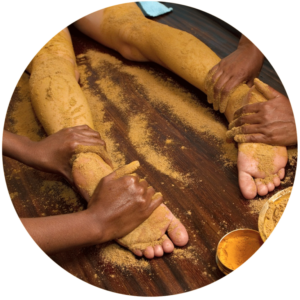
- Abhyanga (Oil Massage): Abhyanga helps reduce stiffness, enhance circulation, and nourish tissues using warm, medicated oils. The relief patients feel after just a few sessions is instant, providing immediate relief from stiffness.
- Basti (Medicated Enema): Basti is considered the king of Panchakarma and addresses the root cause of Vata-related issues. Medicated oils and herbal decoctions used in Basti help to eliminate toxins in the colon and also alleviate chronic arthritis.
- Virechana (Purgation): This treatment helps minimize Pitta and reduce joint inflammation. It works well in treating ailments such as rheumatoid arthritis, where swelling is a significant issue.
- Nasya (Nasal Therapy): good for the stiffness of the neck, shoulders, and upper back. Herbal oils applied to the nose help clear toxins and alleviate pain.
2. Janu Basti (Specialized Knee Therapy)
Janu Basti in Aadisatya is a localized treatment of knee pain, which is also among the most popular types of therapy. The knee is bathed by placing a ring of dough around it and pouring warm, medicated oil. This not only helps to reduce pain and swelling but also builds cartilage, enhances flexibility, and decelerates degeneration. Janu Basti usually significantly increases the mobility of patients with early osteoarthritis.
3. Herbal Formulations
Ayurvedic joint pain treatment is dependent on herbs. Doctors can recommend:
- Shallaki (Boswellia): This herb helps reduce inflammation and restore flexibility.
- Guggulu: Purifies the body and strengthens the bones.
- Ashwagandha: minimises stress, builds muscle, and enhances healing.
- Turmeric (Curcumin): A natural anti-inflammatory which is reducing stiffness.
These herbs do not cause side effects and serve to maintain long-term joint health, unlike synthetic medicines.
4. Lepas and Poultices (External Applications)
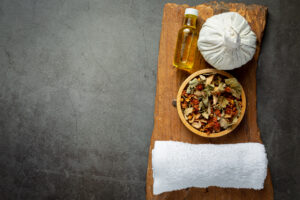
Poultices and herbal pastes are applied directly over painful joints to reduce swelling and alleviate heat. They are used in conjunction with oil therapies to enhance local circulation and promote recovery.
5. Lifestyle and Diet Guidance
Ayurveda focuses more on preventive treatment rather than treatment. At Aadisatya, physicians lead the patients with:
- Eating cold and heavy food, which aggravates Vata, should be avoided.
- Enjoying hot, easy-to-prepare food with the help of spices like ginger and turmeric.
- Doing mild yoga poses, such as Vajrasana, Trikonasana, Pawanmuktasana, and others, in order to stay flexible.
- Having a regular routine each day to achieve a better balance.
Ayurveda vs Conventional Medicine for Joint Pain
| Aspect | Conventional Medicine | Ayurveda |
| Relief | Quick, temporary pain relief | Long-term, root-cause healing |
| Side Effects | Risk of dependency, gastric issues | Natural, safe when supervised |
| Focus | Symptoms only | Dosha balance + detox + nourishment |
| Preventive Care | Minimal | Strong focus on lifestyle & prevention |
This is why many people are switching to Ayurveda after years of trial-and-error with conventional approaches.Ayurveda vs Conventional Medicine on Joint Pains.
Role of an Ayurvedic Doctor in Joint Pain Treatment
The Ayurvedic specialist who would provide best treatment of joint pain does not only treat symptoms. They investigate prakriti (body constitution), medical history, and lifestyle patterns to determine why the pain initially began.
For instance:
- In cases of sedentary work that causes pain, therapies are integrated with strengthening yoga and a balanced diet.
- In case of arthritis development, cleansing and rejuvenation treatment are given priority.
- For younger patients experiencing stiffness, local therapies such as Janu Basti or herbal lepas (pastes) are recommended.
This is what makes Ayurvedic care more effective in the long term.
Why People Choose Ayurveda for Knee and Spine Pain
- Natural relief: The therapies do not have the side effects of analgesics.
- Root-cause healing: The elimination of toxins and dosha correction prevents recurrence.
- Better flexibility: Therapies provide nourishment to the joints, rather than simply covering up pain.
- Long-term outcomes: Frequent detox and oil treatments maintain healthy joints.
To most people, Ayurvedic treatment of knee joint pain is not just about being comfortable, but also about regaining confidence in their everyday movement.
Conclusion
The solution, when you are seeking the best Ayurvedic pain relief for joint pain, is medications that not only provide immediate relief but also strengthen your body from the inside. The combination of panchakarma, Janu Basti, Abhyanga, and specific herbal preparations is a complete procedure and plan that is healing, natural, and effective.
The trick, though, is to settle on the most appropriate Ayurvedic physician to treat your joint pains, one who would prescribe to you according to your ailment. Aadisatya Ayurveda Clinic in Gurgaon is recognized for offering the Best Ayurvedic Treatment for Joint Pain. They have the best Ayurvedic experts, such as Vaidya Ritu Malik, who not only help patients move without pain but also enable them to live a new life with renewed vitality through therapies based on authentic Ayurveda.